SprintSync
- Java
- Spring Boot
- Redis
- MySQL
- REST APIs
- AOP
- JWT
- RBAC
Un outil de gestion de projet comme Jira a besoin d'un moteur en dessous : sprints, backlogs, permissions, traces d'audit. J'ai construit ce moteur seul — une API sans interface — pour voir jusqu'où je pouvais pousser les performances back-end et la propreté de l'architecture sans front-end derrière lequel me cacher.
SprintSync : un système back-end agile
Une application back-end pure, hautement performante, conçue pour propulser des outils de gestion de projet Agile. Elle fournit l'infrastructure robuste nécessaire pour suivre les sprints, gérer les backlogs et gérer des permissions utilisateur complexes sans interface frontend.
Architecture Spring Boot & Redis
Construit avec Spring Boot pour l'évolutivité et Redis pour un cache haute vitesse, garantissant une disponibilité des données en temps réel et une performance optimale sous charge.
Points clés
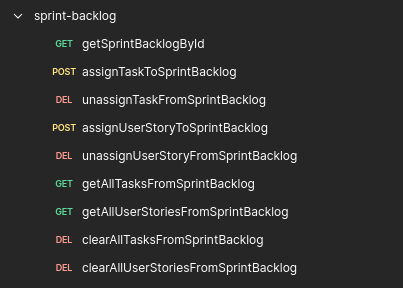
- Cache Redis : Mis en place pour les données fréquemment consultées afin de minimiser la charge de la base de données et réduire la latence.
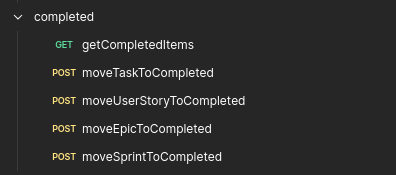
- Programmation orientée aspect (AOP) : Utilisée pour la journalisation et l'audit de sécurité sur tous les endpoints (vérifié via les endpoints « Completed Items »).
- Suivi de sprint en temps réel : Mises à jour dynamiques de l'avancement des sprints.
- Architecture d'API RESTful : Endpoints propres et évolutifs pour toutes les ressources.
- Contrôle d'accès sécurisé par rôle : Permissions granulaires pour utilisateurs et administrateurs.
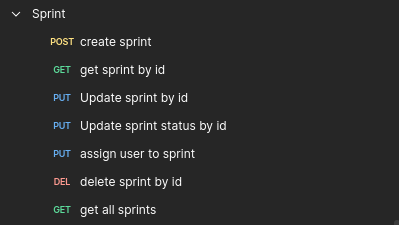
Gestion
des sprints
Des outils complets pour planifier, exécuter et suivre les sprints avec précision.

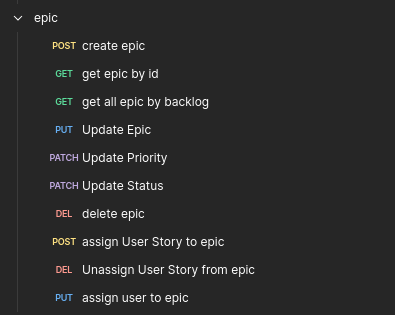
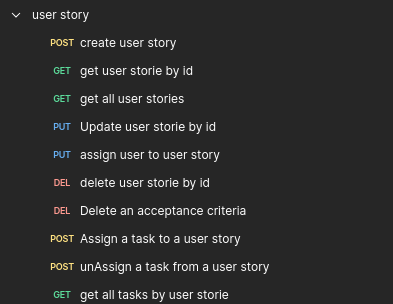
Projets &
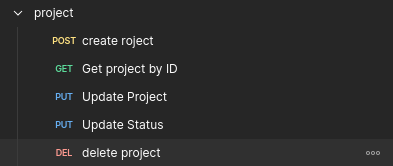
backlogs
Gérez efficacement projets, epics et backlogs pour garantir une livraison continue.

Utilisateurs &
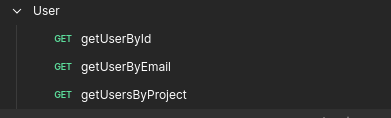
sécurité
Des endpoints robustes de gestion des utilisateurs et d'authentification pour une collaboration sécurisée.

Ce que j'en ai retiré
Construire SprintSync a été une plongée profonde dans l'importance de la performance back-end et de la pureté architecturale. Sans frontend sur lequel s'appuyer, la conception de l'API devait être intuitive, autodocumentée et robuste. J'ai appris à mettre en œuvre efficacement le cache Redis pour gérer des scénarios à forte lecture, réduisant significativement la charge sur la base de données. Maîtriser la programmation orientée aspect (AOP) a été déterminant, me permettant de découpler des préoccupations transverses comme la journalisation et la sécurité de la logique métier centrale, pour un code beaucoup plus propre et maintenable. Ce projet a consolidé ma compréhension de la construction de systèmes back-end évolutifs et prêts pour la production.