SprintSync
- Java
- Spring Boot
- Redis
- MySQL
- REST APIs
- AOP
- JWT
- RBAC
A project-management tool like Jira needs an engine underneath it: sprints, backlogs, permissions, audit trails. I built that engine on its own — an API with no interface — to push how far I could take backend performance and clean architecture without a frontend to hide behind.
SprintSync: Agile Backend System
A high-performance, backend-only application designed to power Agile project management tools. It provides the robust infrastructure needed to track sprints, manage backlogs, and handle complex user permissions without a frontend interface.
Spring Boot & Redis Architecture
Built with Spring Boot for scalability and Redis for high-speed caching, ensuring real-time data availability and optimal performance under load.
Key Highlights
- Redis Caching: Implemented for frequently accessed data to minimize database load and reduce latency.
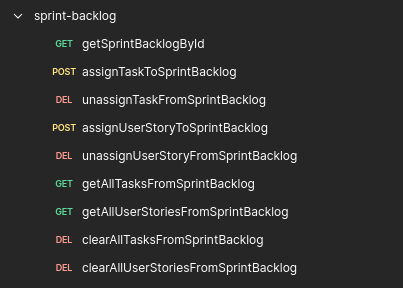
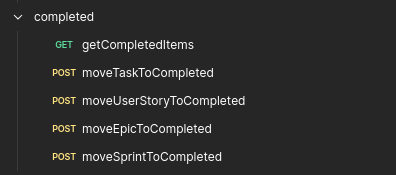
- Aspect-Oriented Programming (AOP): Used for logging and security auditing across all endpoints (verified via "Completed Items" endpoints).
- Real-time Sprint Tracking: Dynamic updates for sprint progress.
- RESTful API Architecture: Clean, scalable endpoints for all resources.
- Secure Role-Based Access Control: Granular permissions for users and admins.
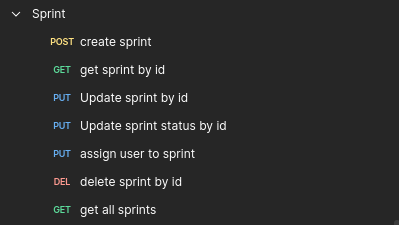
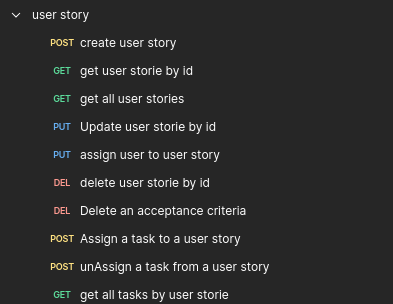
Sprint
Management
Comprehensive tools for planning, executing, and tracking sprints with precision.

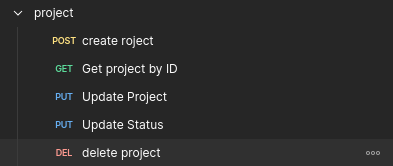
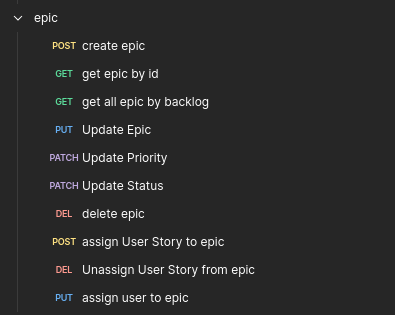
Project &
Backlog
Efficiently manage projects, epics, and backlogs to ensure continuous delivery.

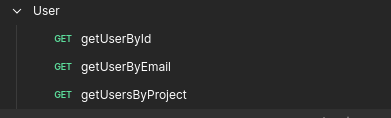
User &
Security
Robust user management and authentication endpoints for secure collaboration.

What I Learned
Building SprintSync was a deep dive into the importance of backend performance and architectural purity. Without a frontend to rely on, the API design had to be intuitive, self-documenting, and robust. I learned how to effectively implement Redis caching to handle high-read scenarios, significantly reducing database strain. Mastering Aspect-Oriented Programming (AOP) was a game-changer, allowing me to decouple cross-cutting concerns like logging and security from the core business logic, resulting in a much cleaner and maintainable codebase. This project solidified my understanding of building scalable, production-ready backend systems.