Amanti
- Java
- Spring Boot
- REST APIs
- MySQL
- Next.js
- Material UI
- Stripe
- Shopify (Remix)
- JUnit
- Mockito
- SonarQube
- Docker
Home delivery fails when nobody is in. Amanti routes parcels to local shops customers already visit, so they collect whenever it suits them. I built the platform behind it: the backend, the admin dashboard, the payments, and the plugin that drops it into online checkouts.
The Core Problem
Amanti addresses the "Last-Mile" delivery breakdown where couriers often miss customers, leading to delays, frustration, and wasted operational costs. Existing solutions like centralized lockers were often found to be insufficient or inconvenient.
The Solution: Hyper-Local Network
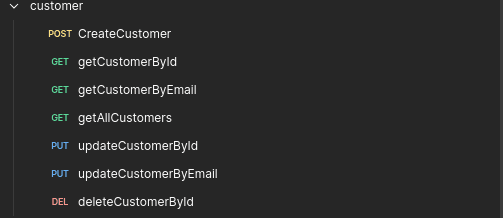
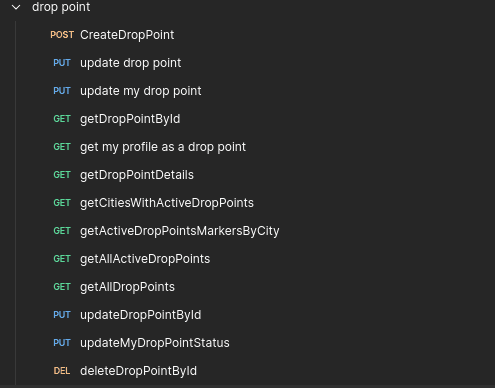
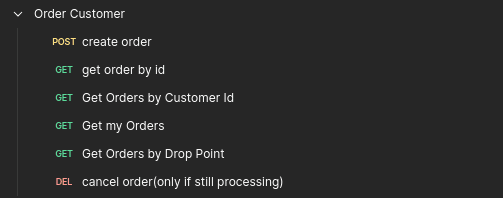
We built a peer-to-peer model where packages are delivered to trusted local businesses ("Drop Points") that customers already frequent. The system comprises a Spring Boot & Next.js Central Platform for management and a Native Shopify Plugin for seamless integration.
Technical Execution
- Sprint 1: Foundation - Established core entities, role-based access control (RBAC), and geographical modeling for Drop Points.
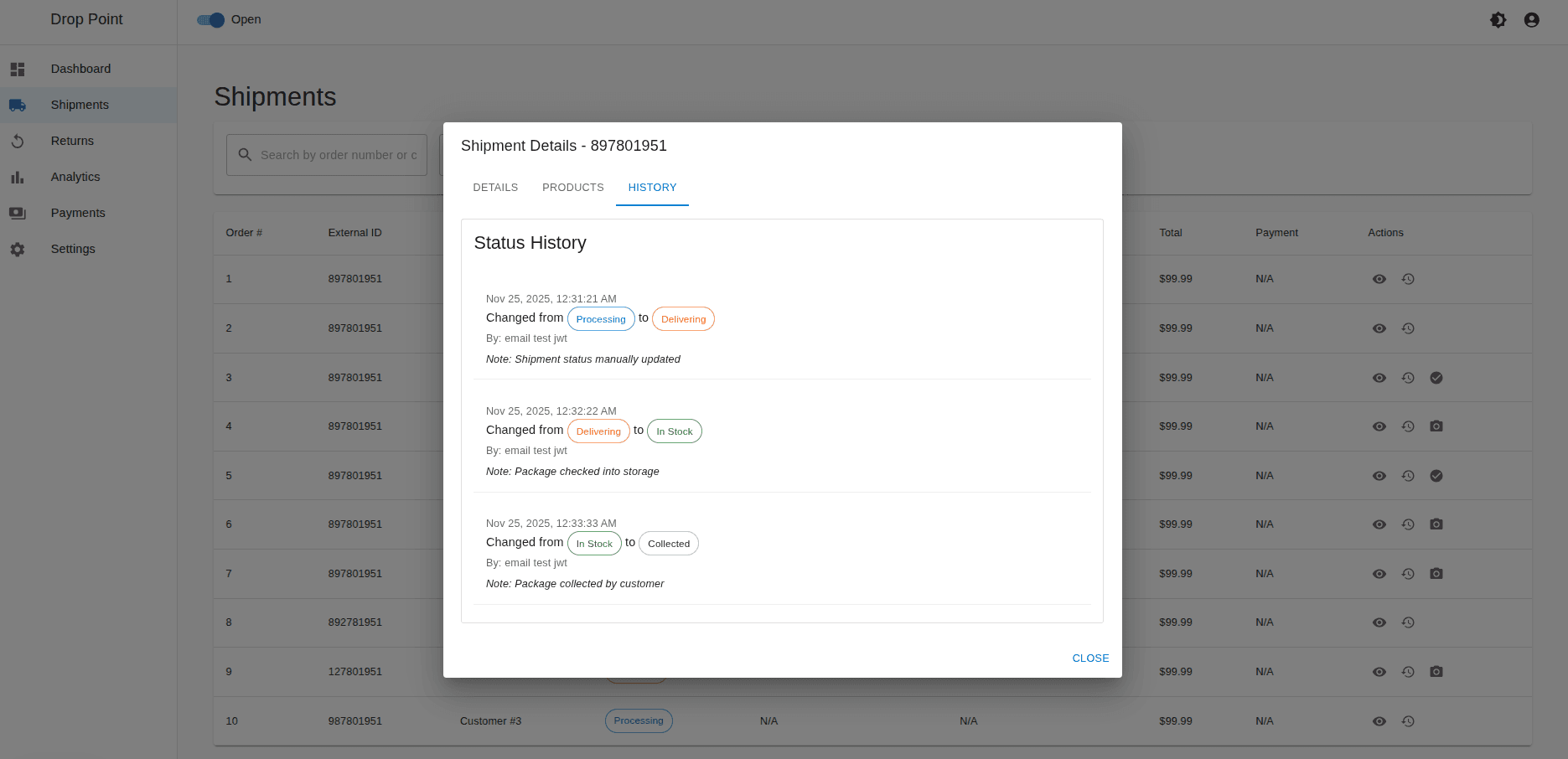
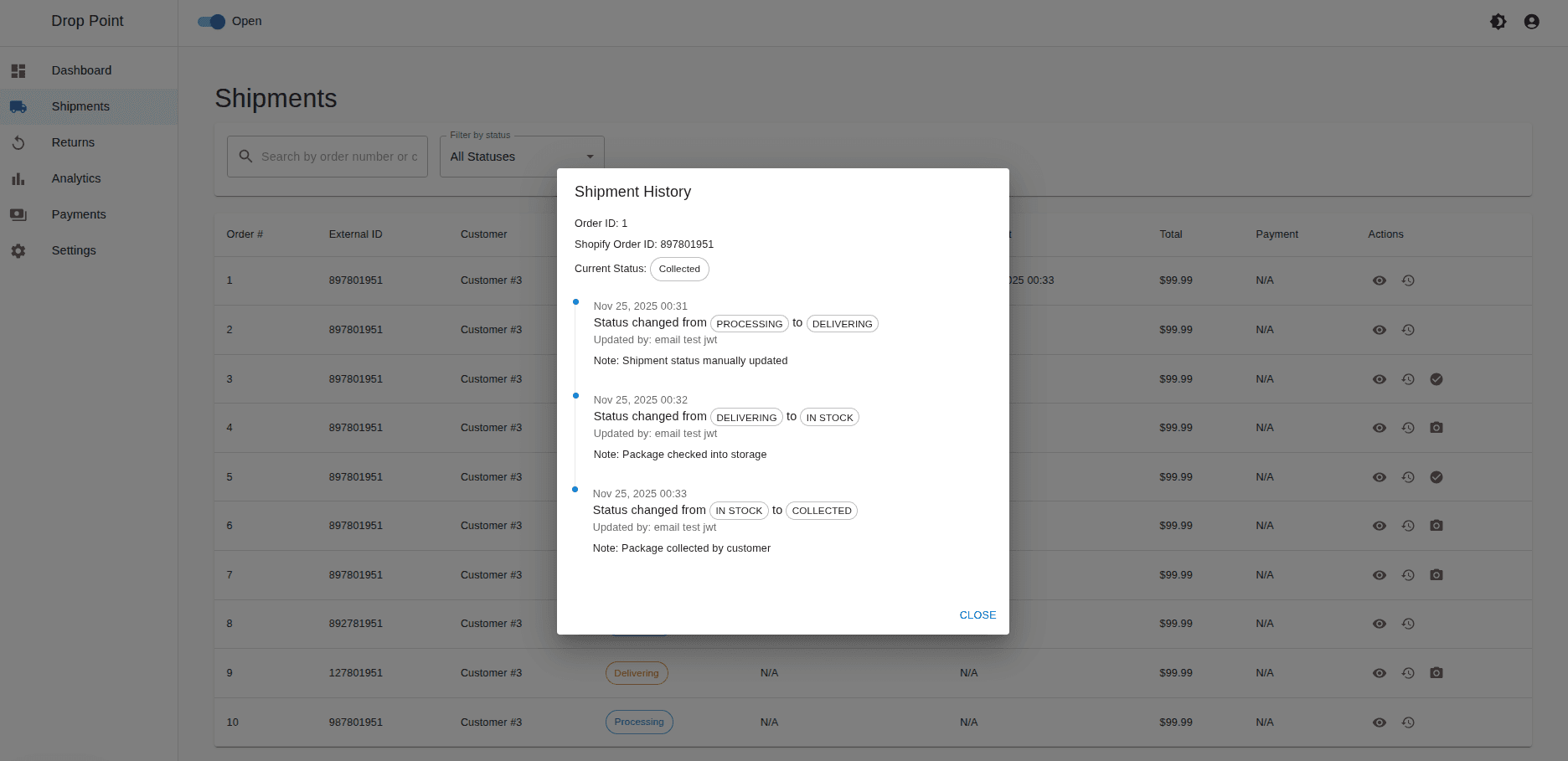
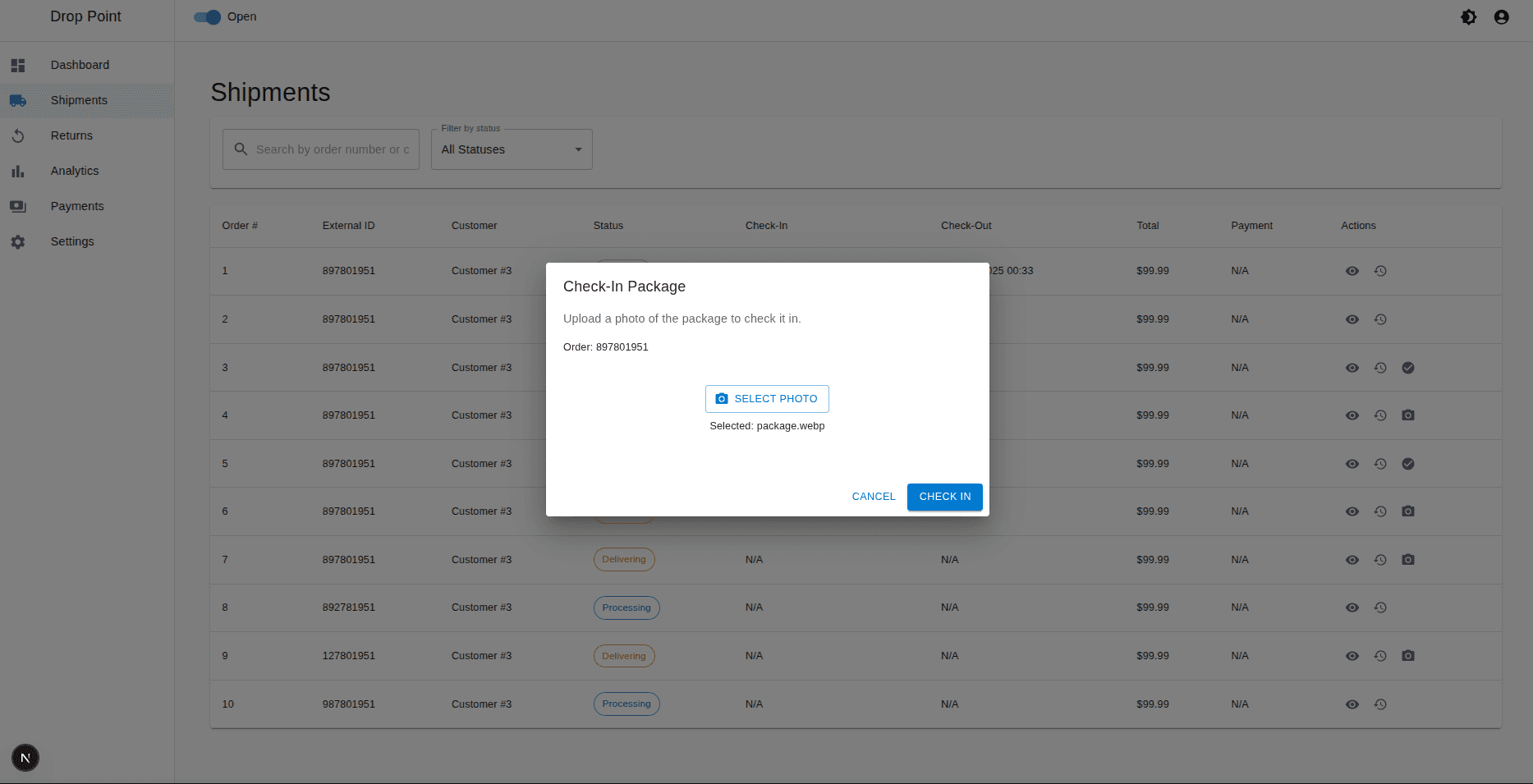
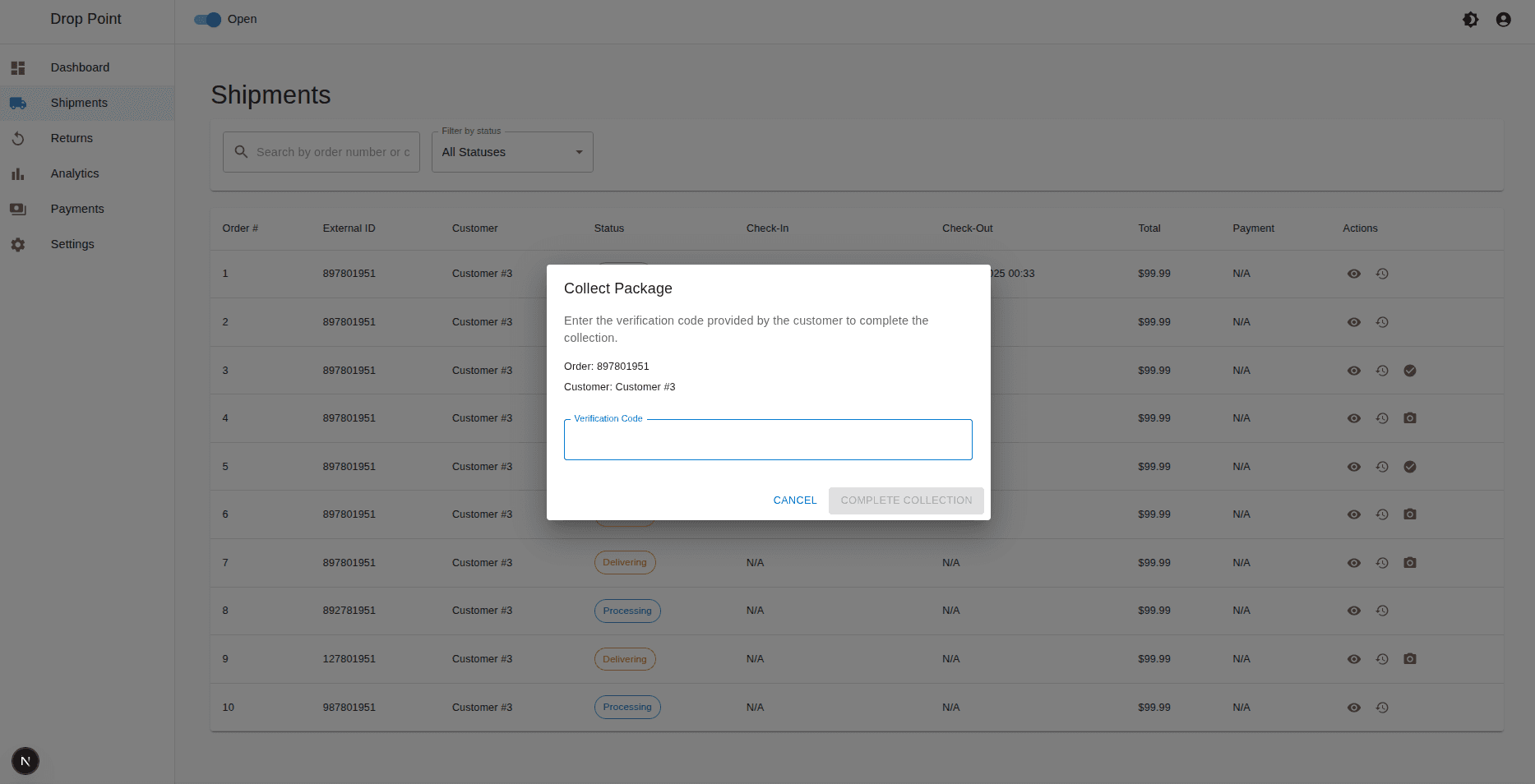
- Sprint 2: Shipment Lifecycle - Built the secure Check-In/Check-Out flow using QR codes and photo verification. Implemented Aspect-Oriented Programming (AOP) for automatic audit trails of every status change.
- Sprint 3: Integration - Developed a custom Shopify plugin that injects Drop Point selection directly into the checkout page and uses webhooks for automated order processing.
The Pivot
The architecture evolved through rigorous iteration. We explored and rejected ideas like "Pre-payment" and "Browser Extensions" due to UX friction and security constraints, ultimately pivoting to the robust, scalable native plugin architecture.
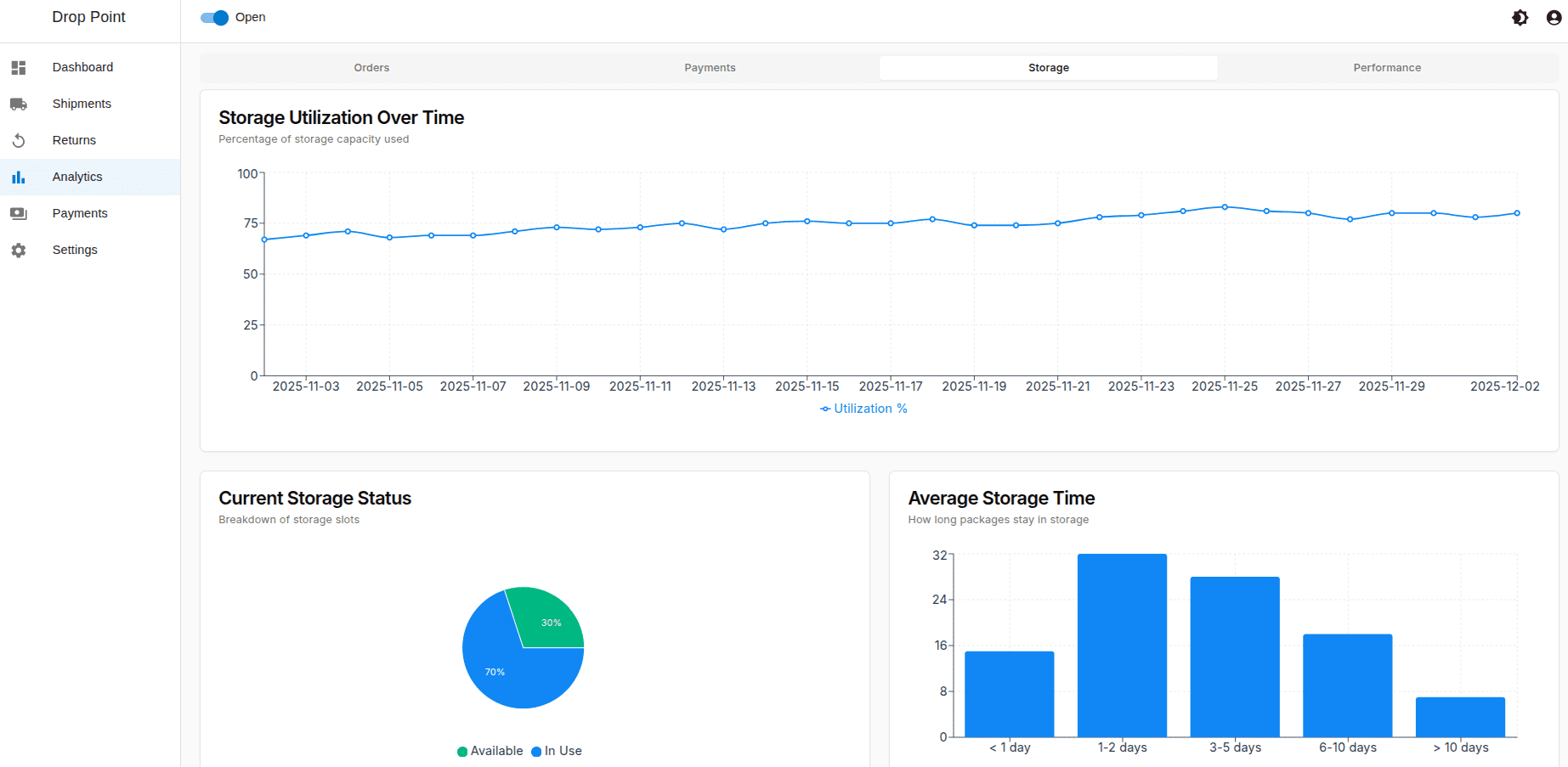
Analytics
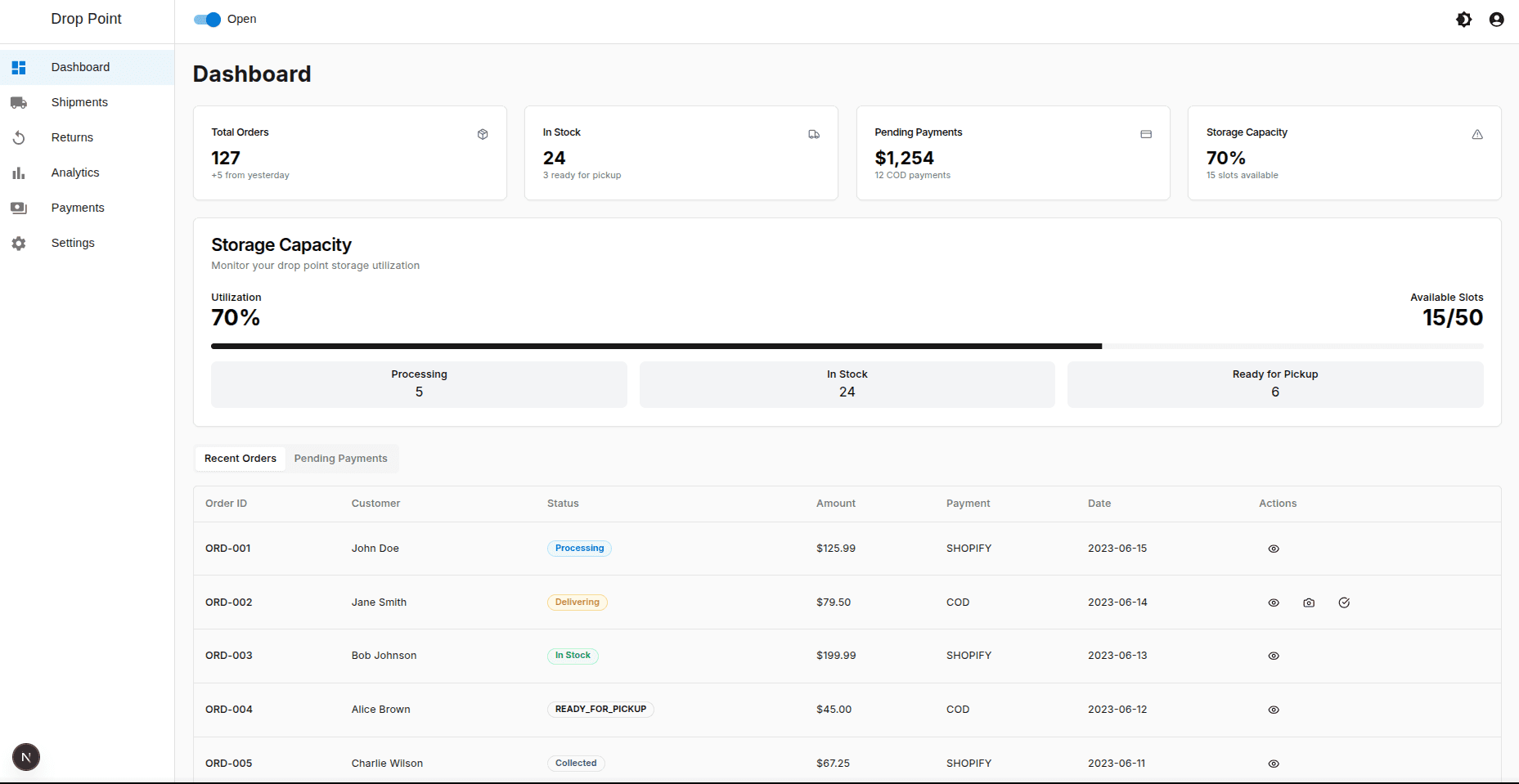
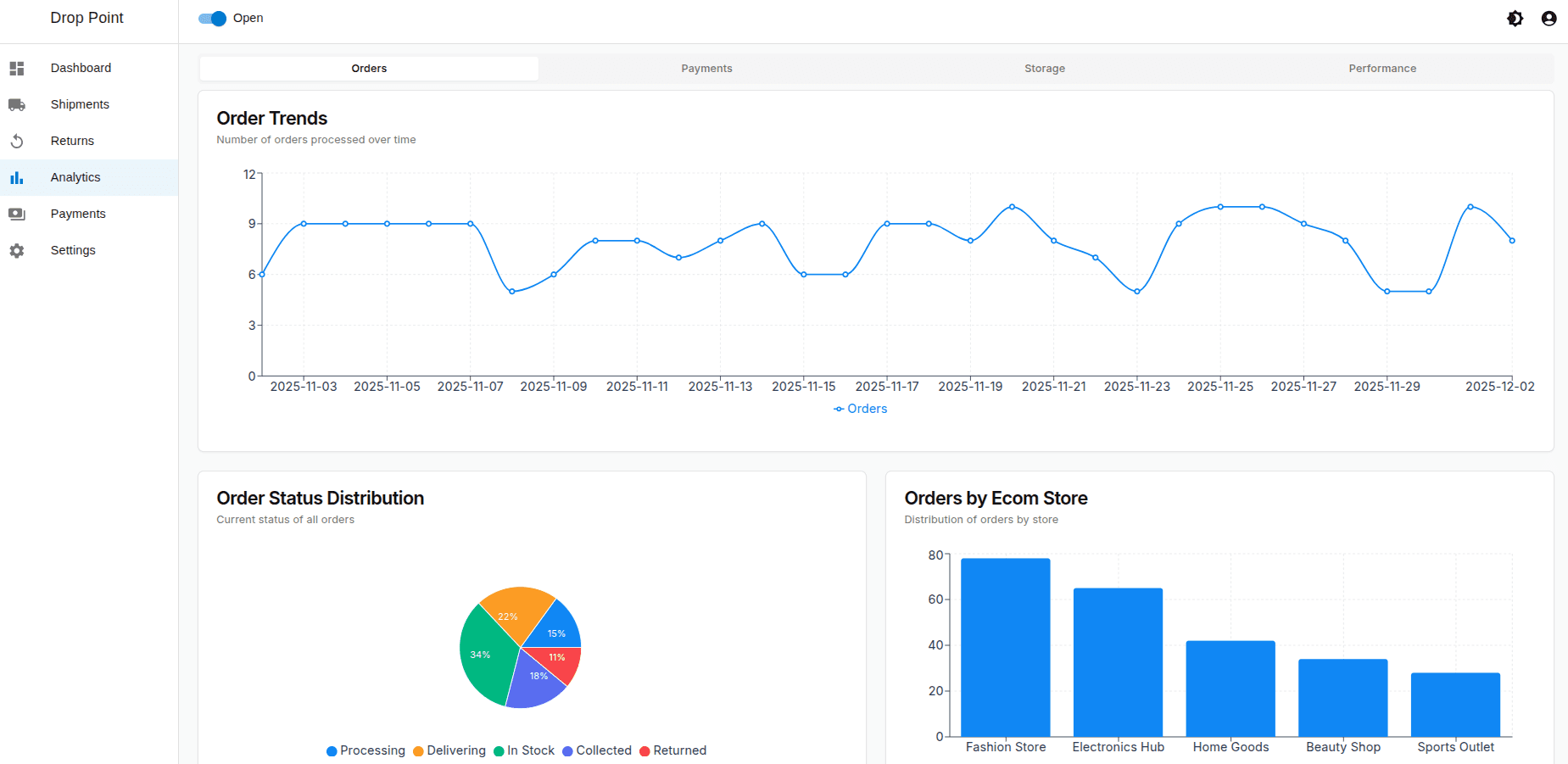
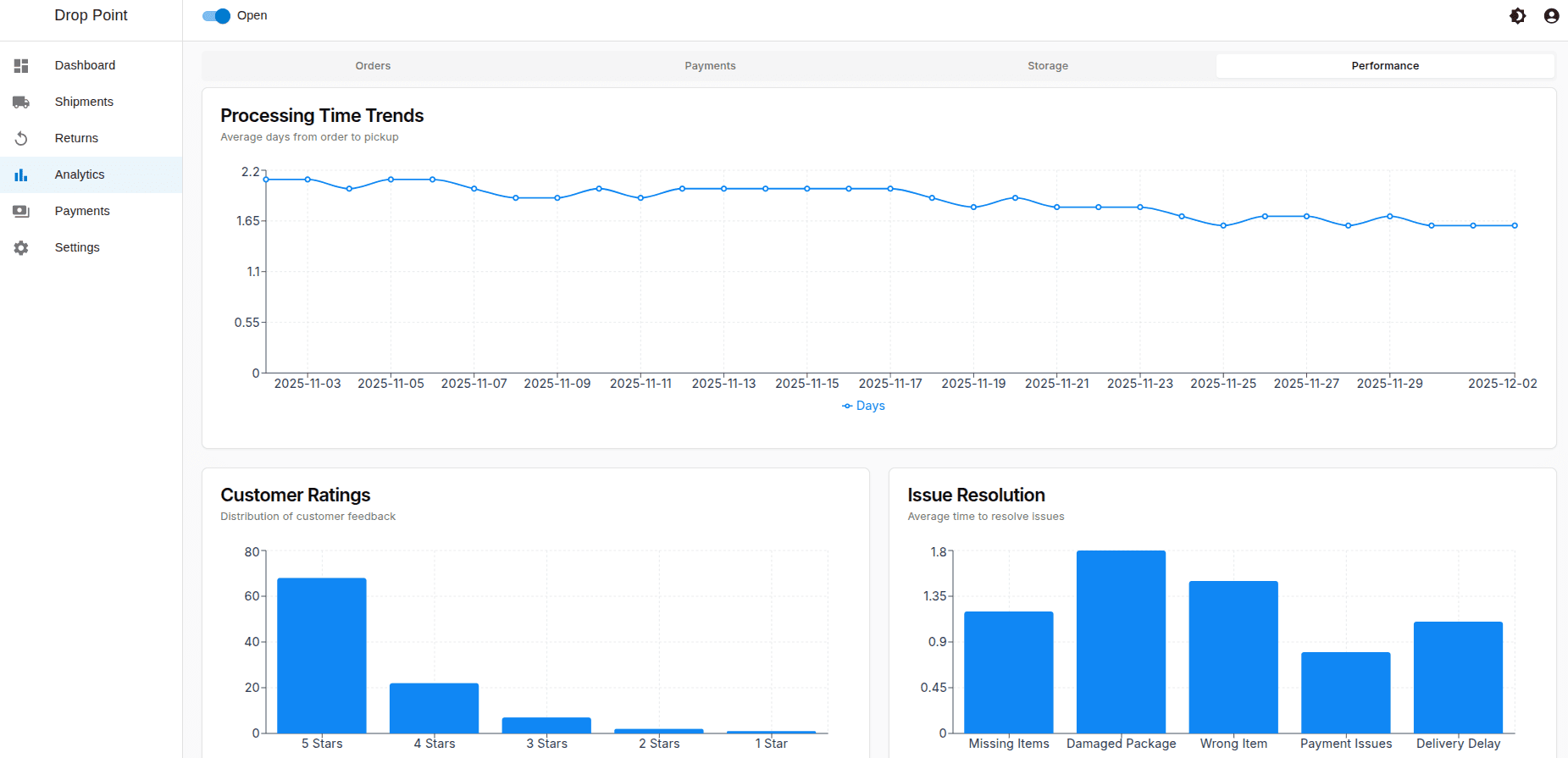
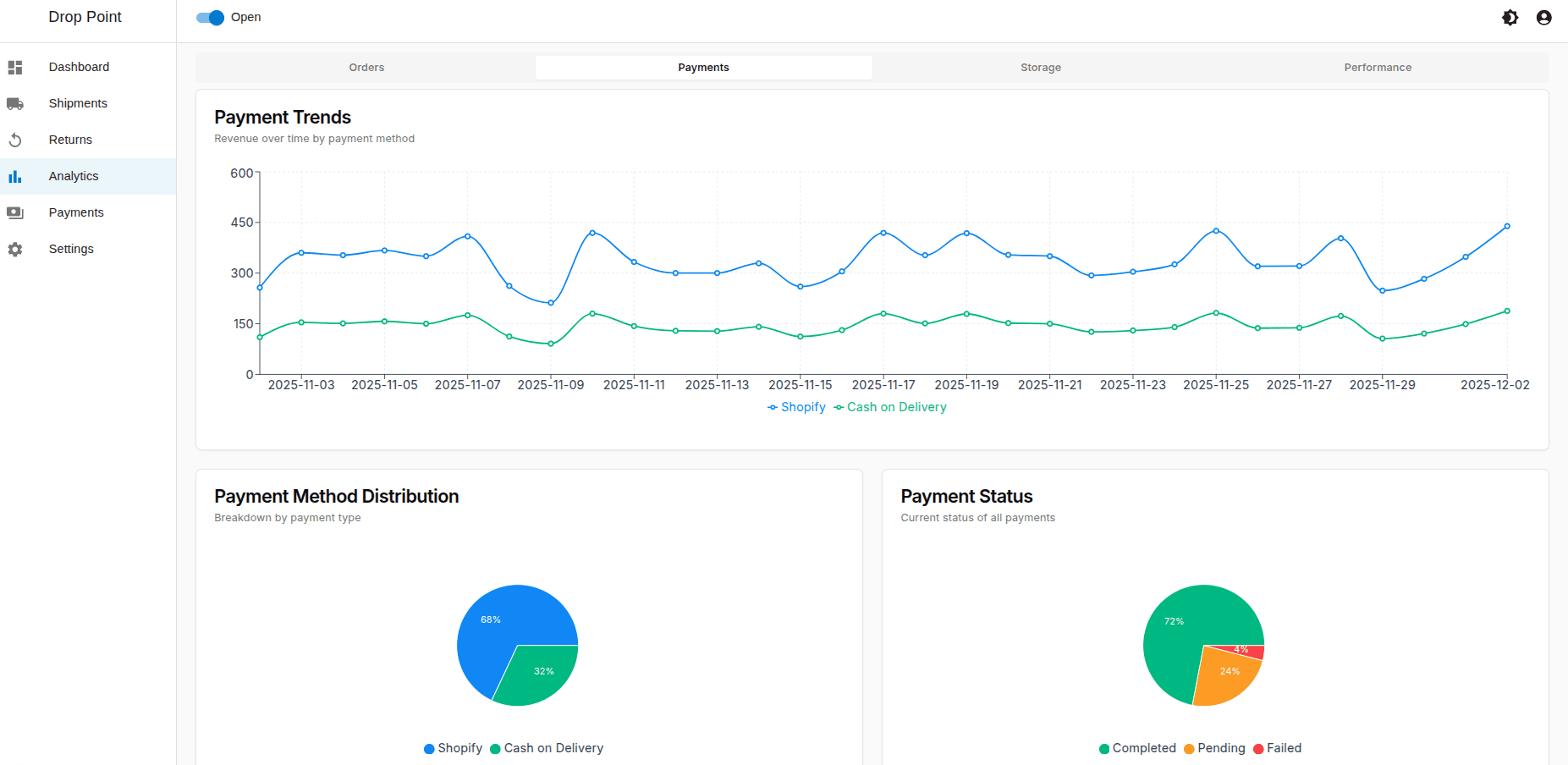
The dashboard provides a comprehensive view of the business health, featuring real-time analytics on orders, performance, and payments.
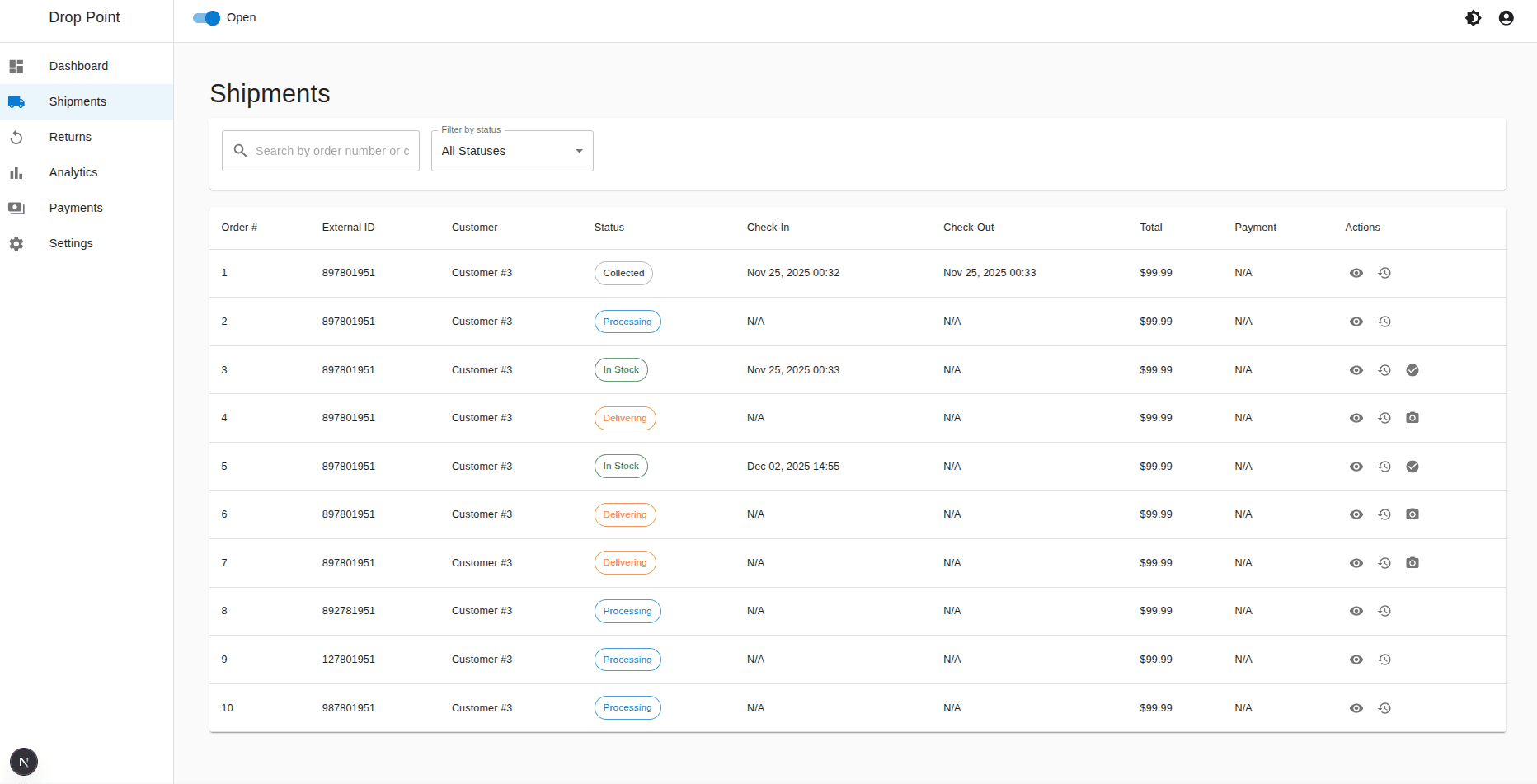
Logistics
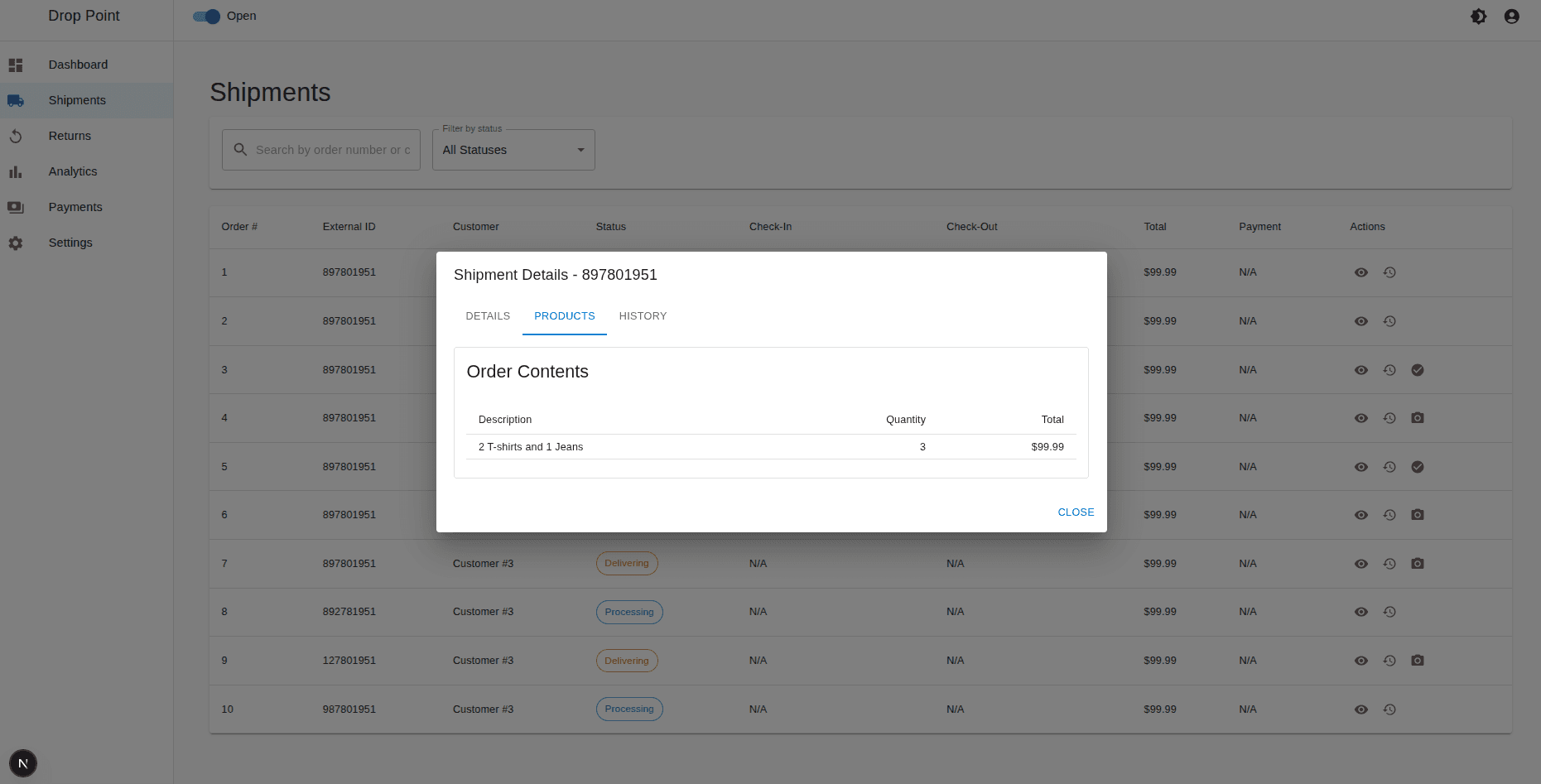
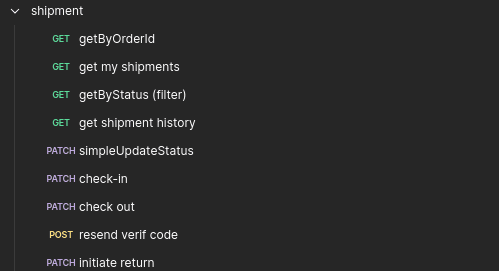
Efficiently manage the entire shipment lifecycle, from creation to delivery. The system supports detailed tracking, history logs, and secure check-in processes.
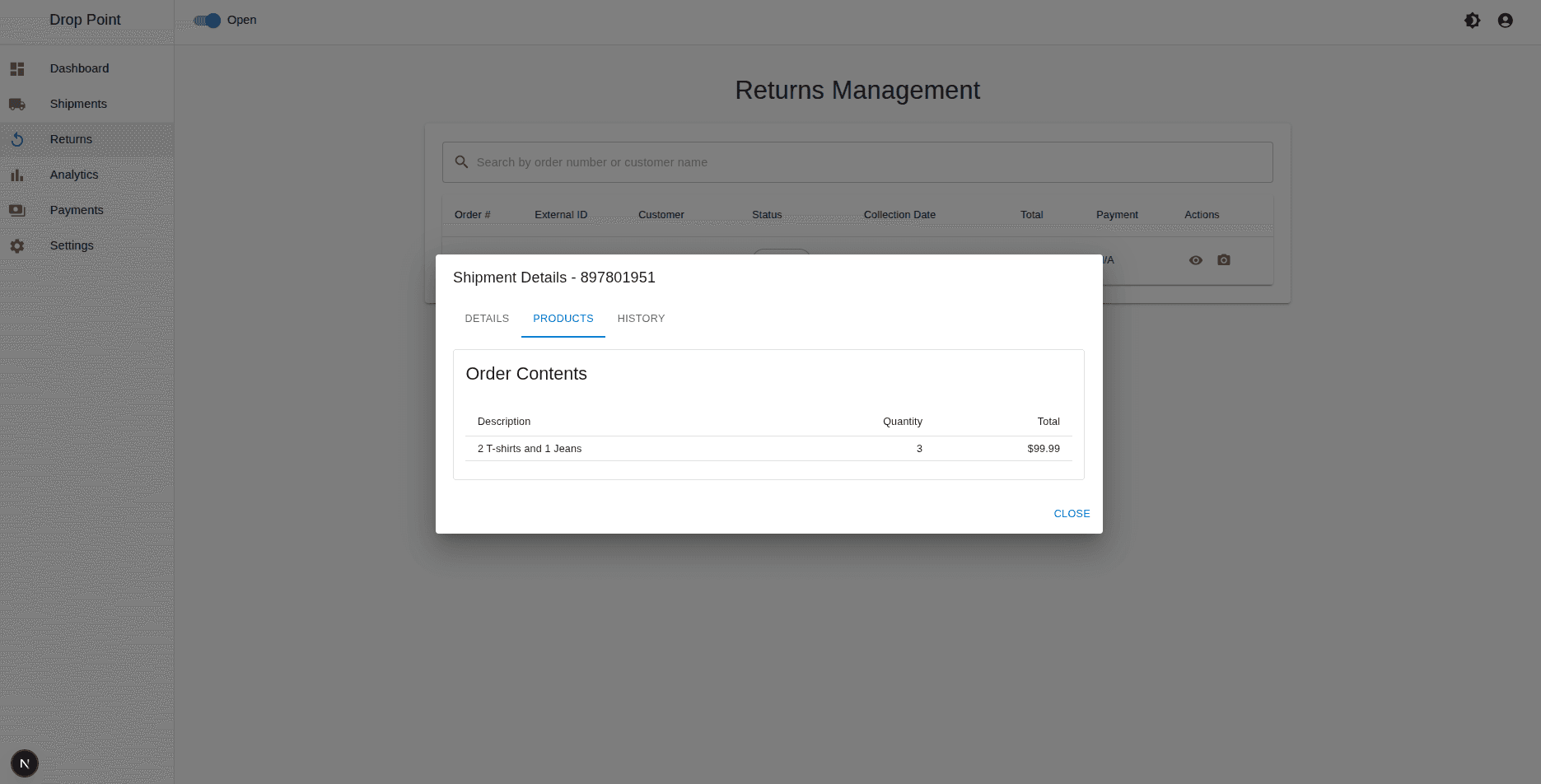
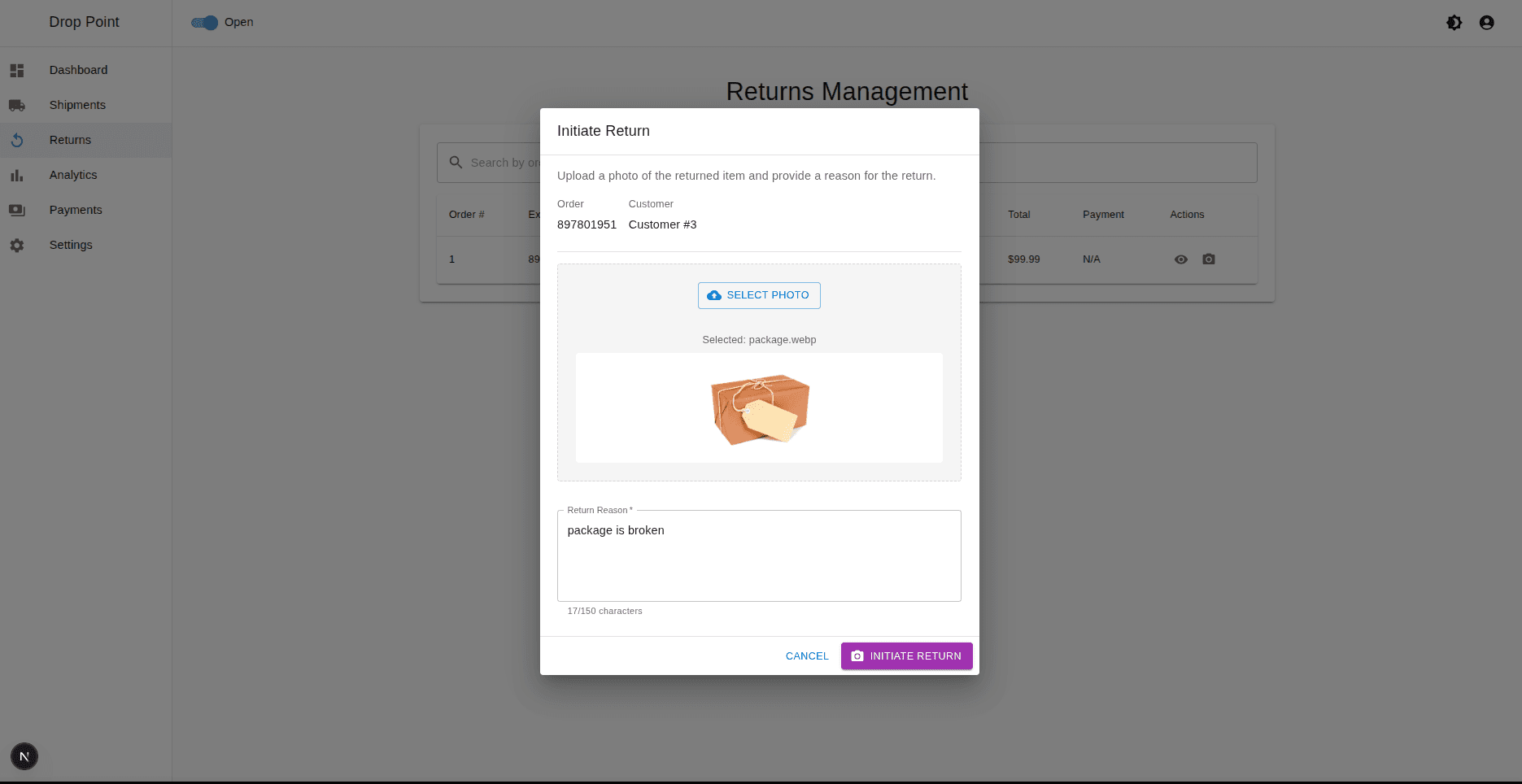
Returns
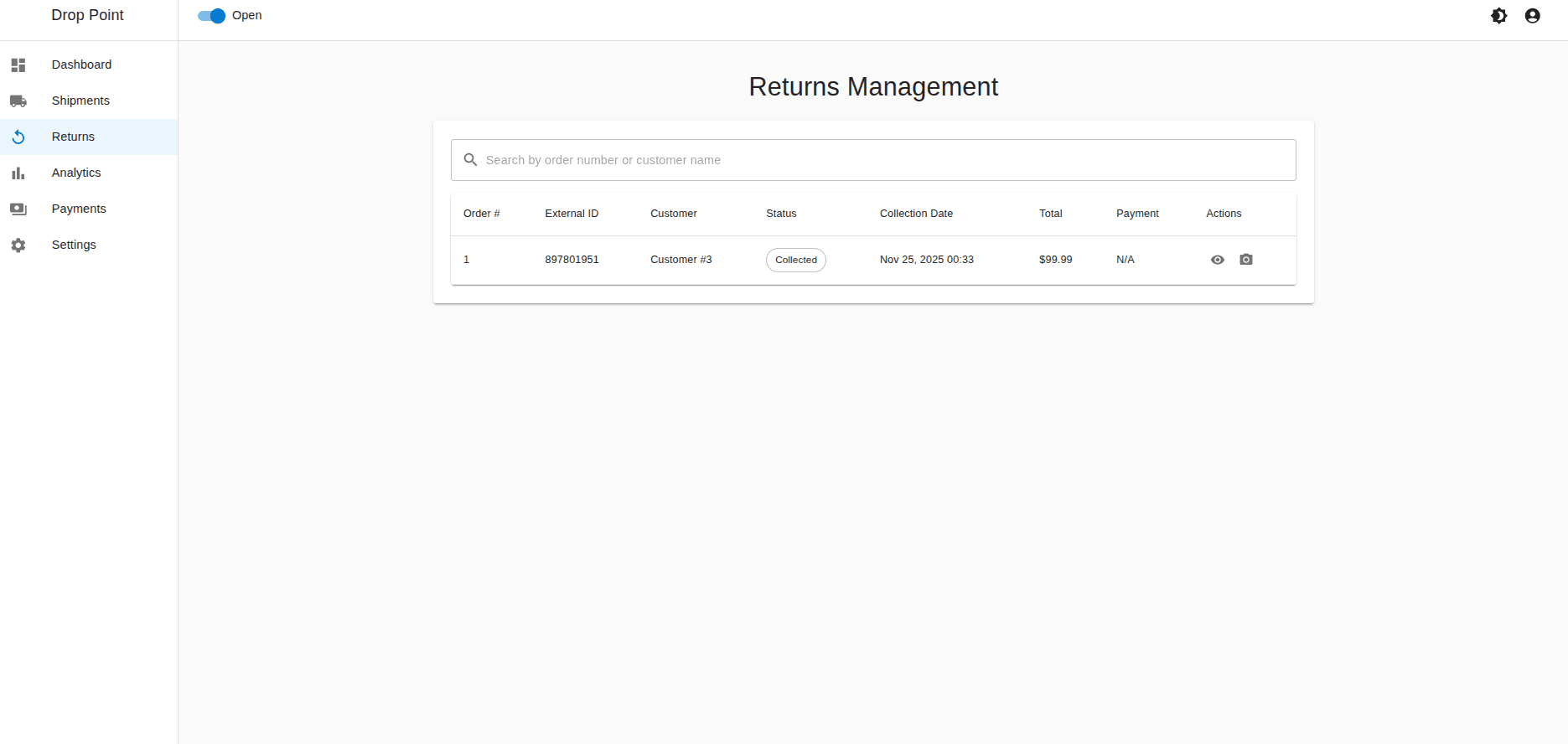
A streamlined flow for handling product returns, ensuring customer satisfaction and operational efficiency.
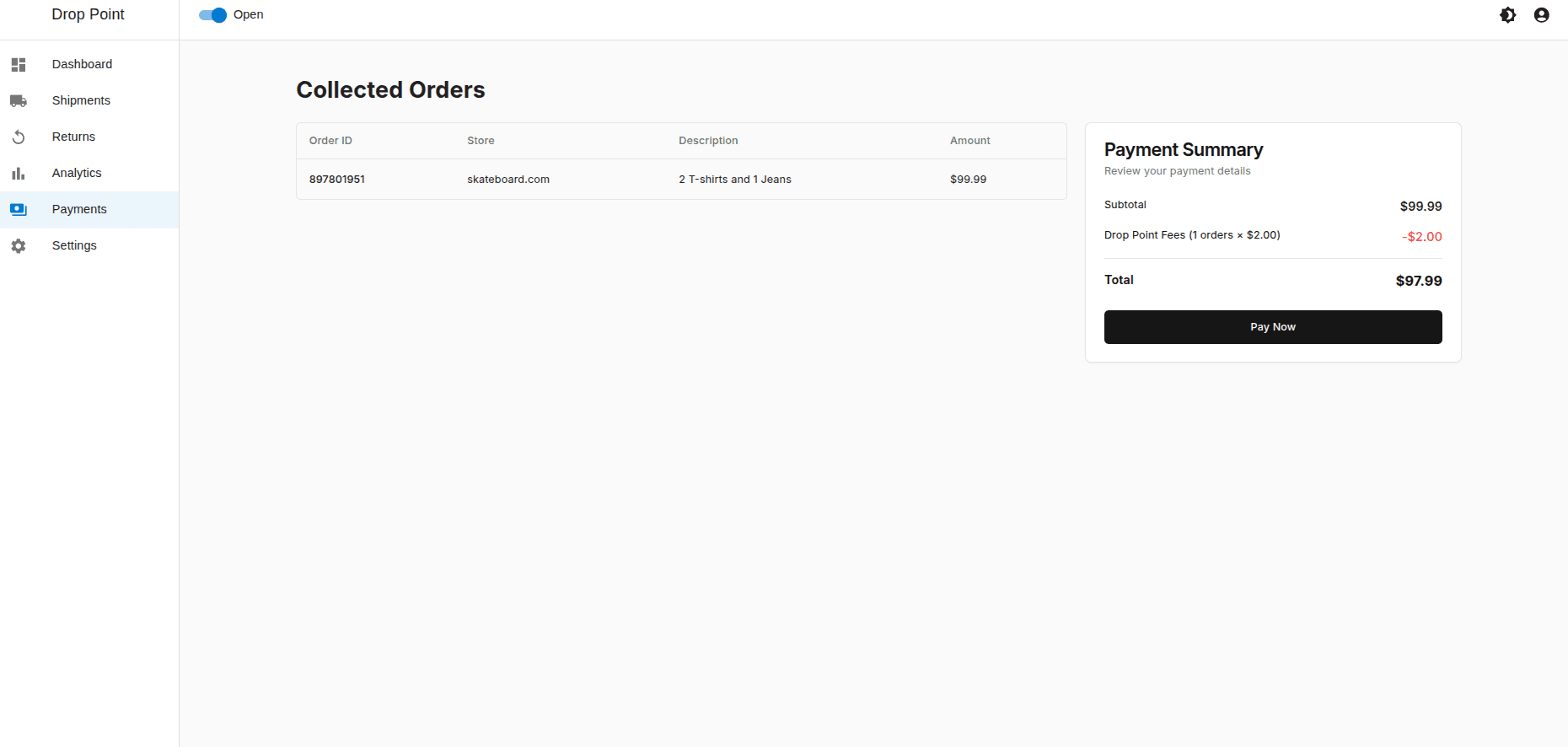
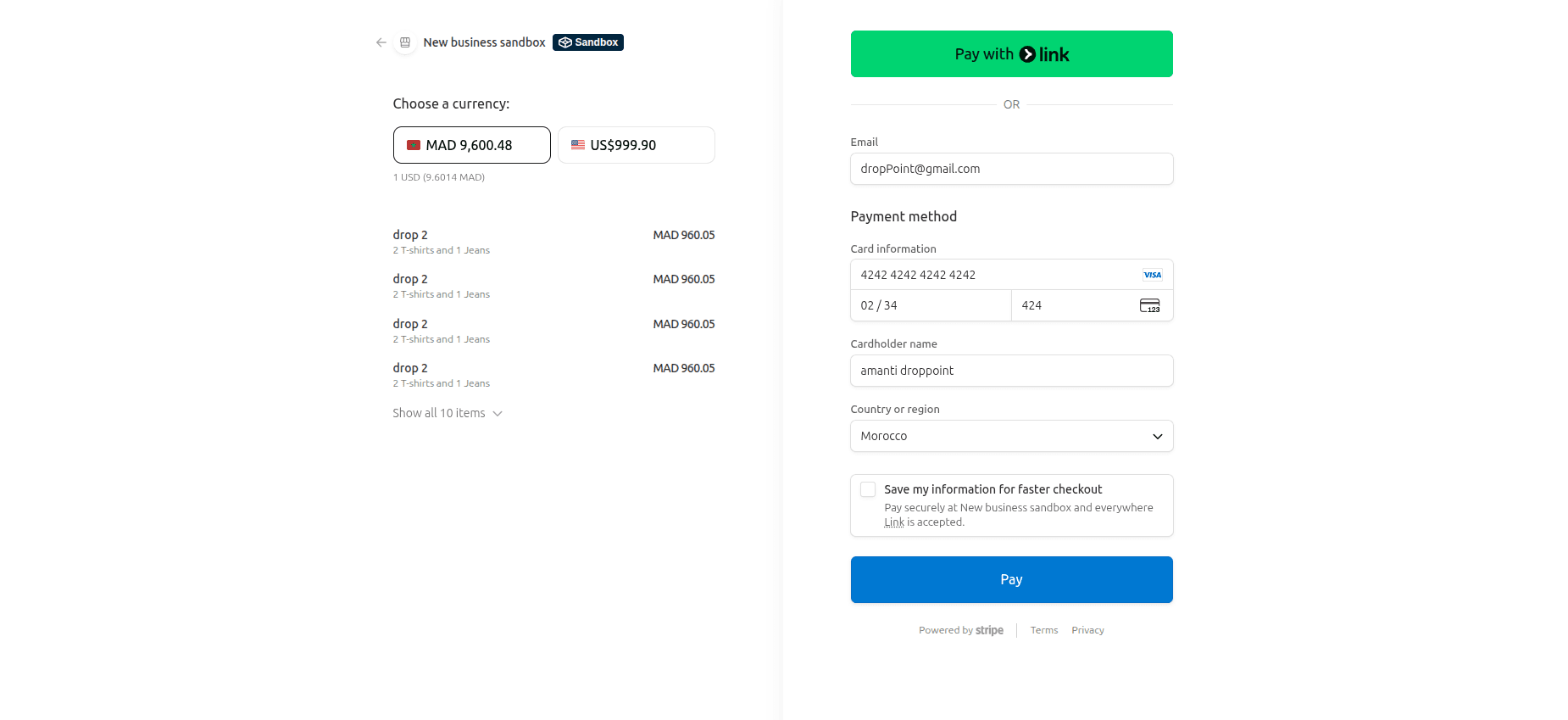
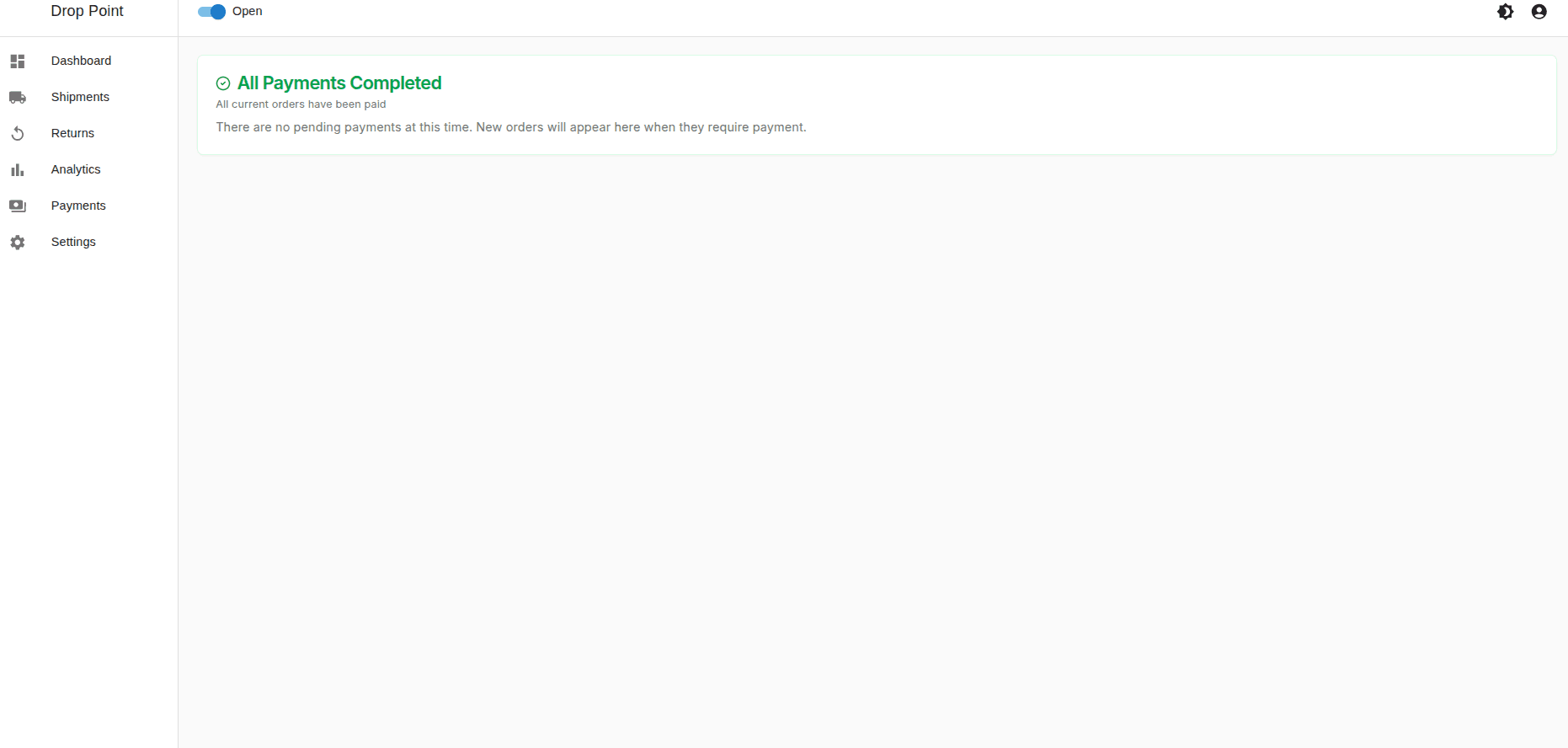
Payments
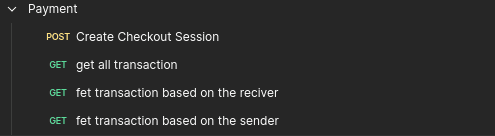
Robust financial integration with Stripe, handling secure transactions and payouts.
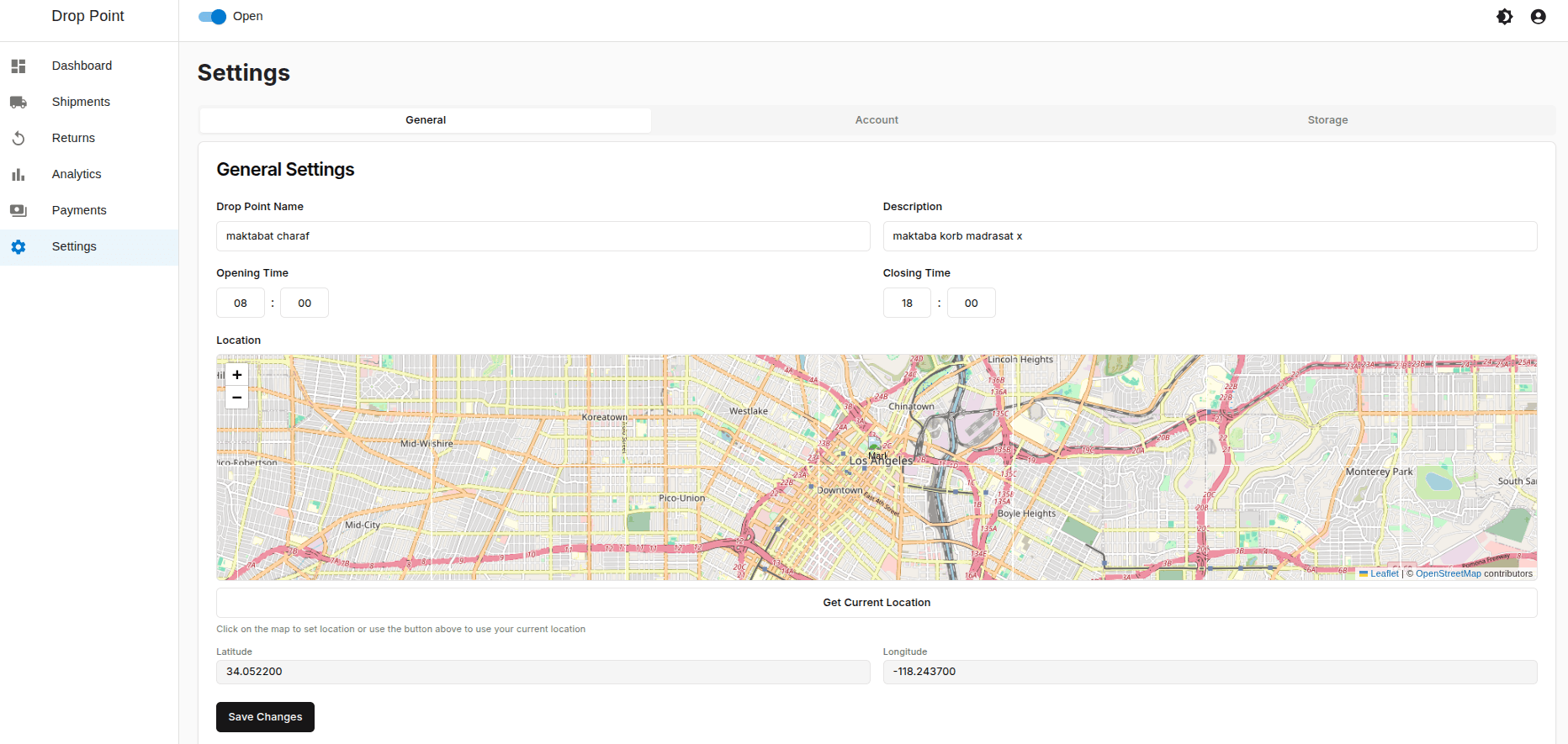
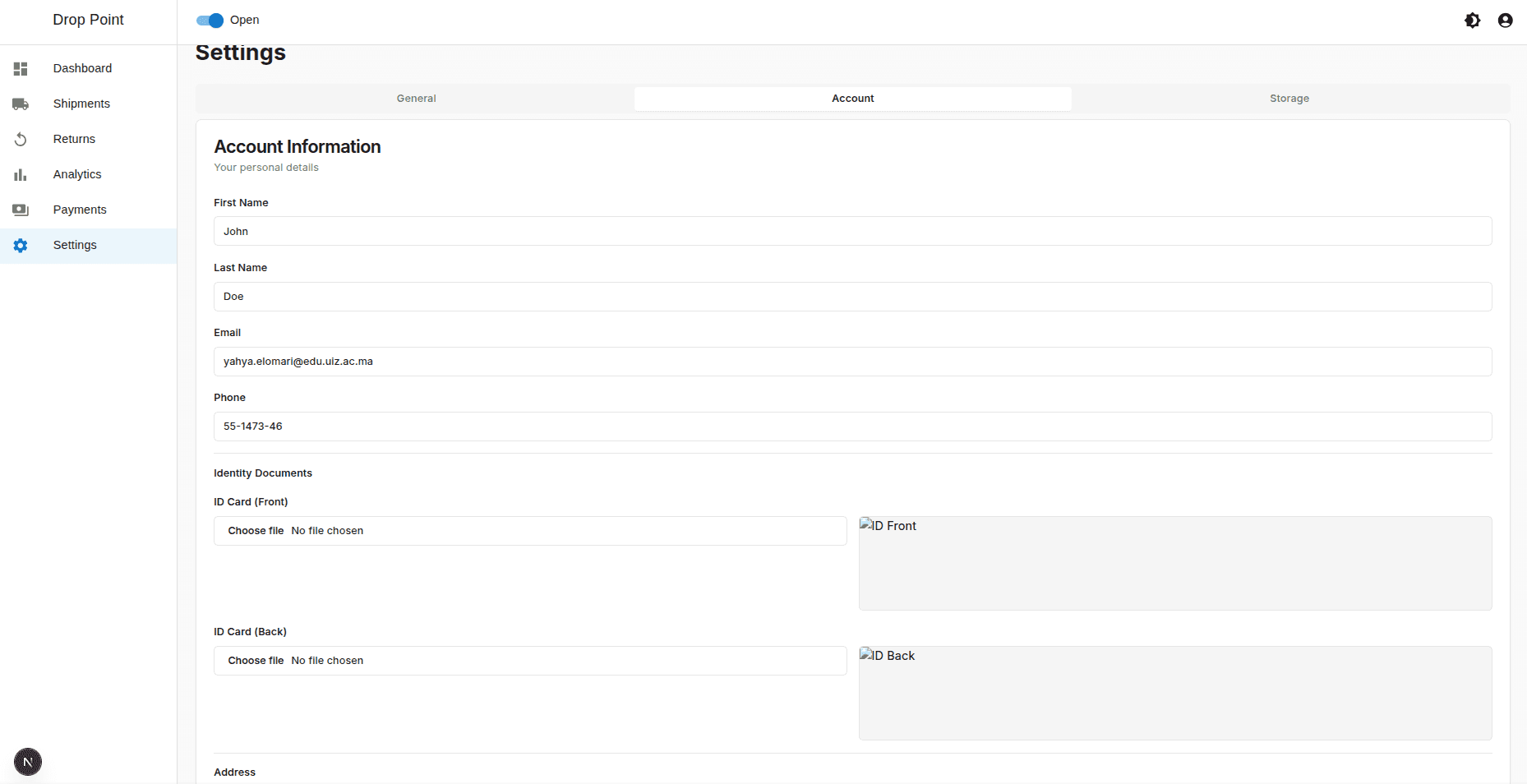
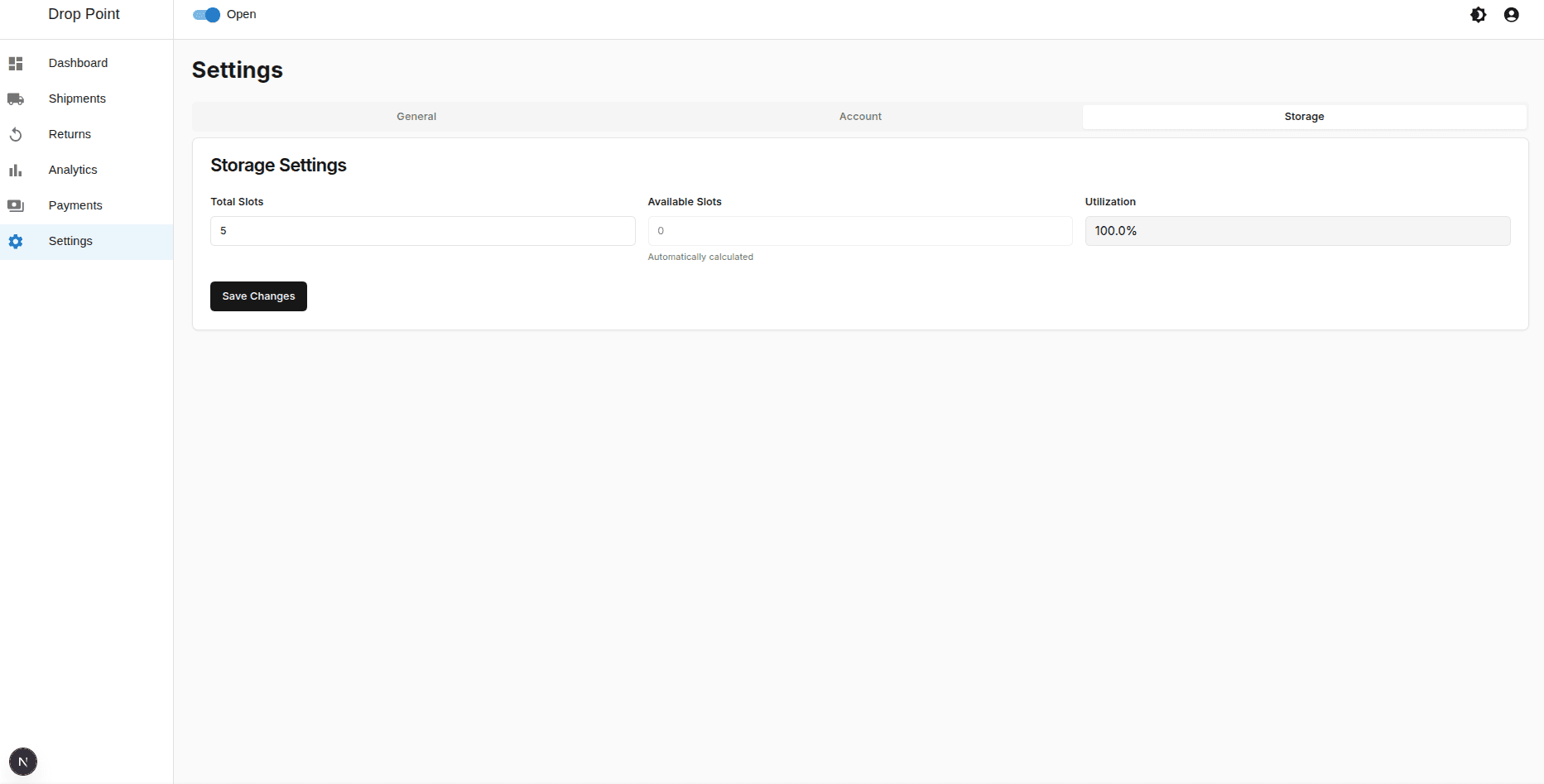
Settings
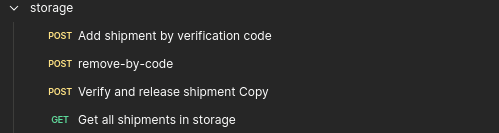
Comprehensive system configuration options for general settings, account management, and storage.
What I Learned
Amanti was a pivotal project that taught me how to bridge the gap between technical complexity and user convenience. I learned to navigate the intricacies of the Spring Boot ecosystem on a large scale, managing the "Last-Mile" logistics with robust state management and real-time tracking. The biggest takeaway was the importance of iterative design—pivoting from a browser extension to a native plugin was a difficult but necessary decision that ultimately defined the project's success.